Does Bpc 157 Help Lose Weight BPC-157 Weight Loss: Evidence & Safety
Introduction: Does BPC-157 help lose weight?
If you’ve ever searched does bpc 157 help lose weight, you’ve probably run into a wall of conflicting claims—fat loss stories, influencer “protocols,” and vague references to healing peptides. The pain point is real: you want to know whether there’s credible evidence, what the mechanism might be, and what safety risks to weigh before spending money or taking something that hasn’t been properly studied for weight loss.
In this article, I’ll break down the available evidence and the safety considerations for BPC-157 specifically through the lens of weight-loss outcomes: appetite, metabolism, body composition, and real-world plausibility. I’ll also share the practical due-diligence checklist I use when reviewing peptides for performance or body-composition goals.
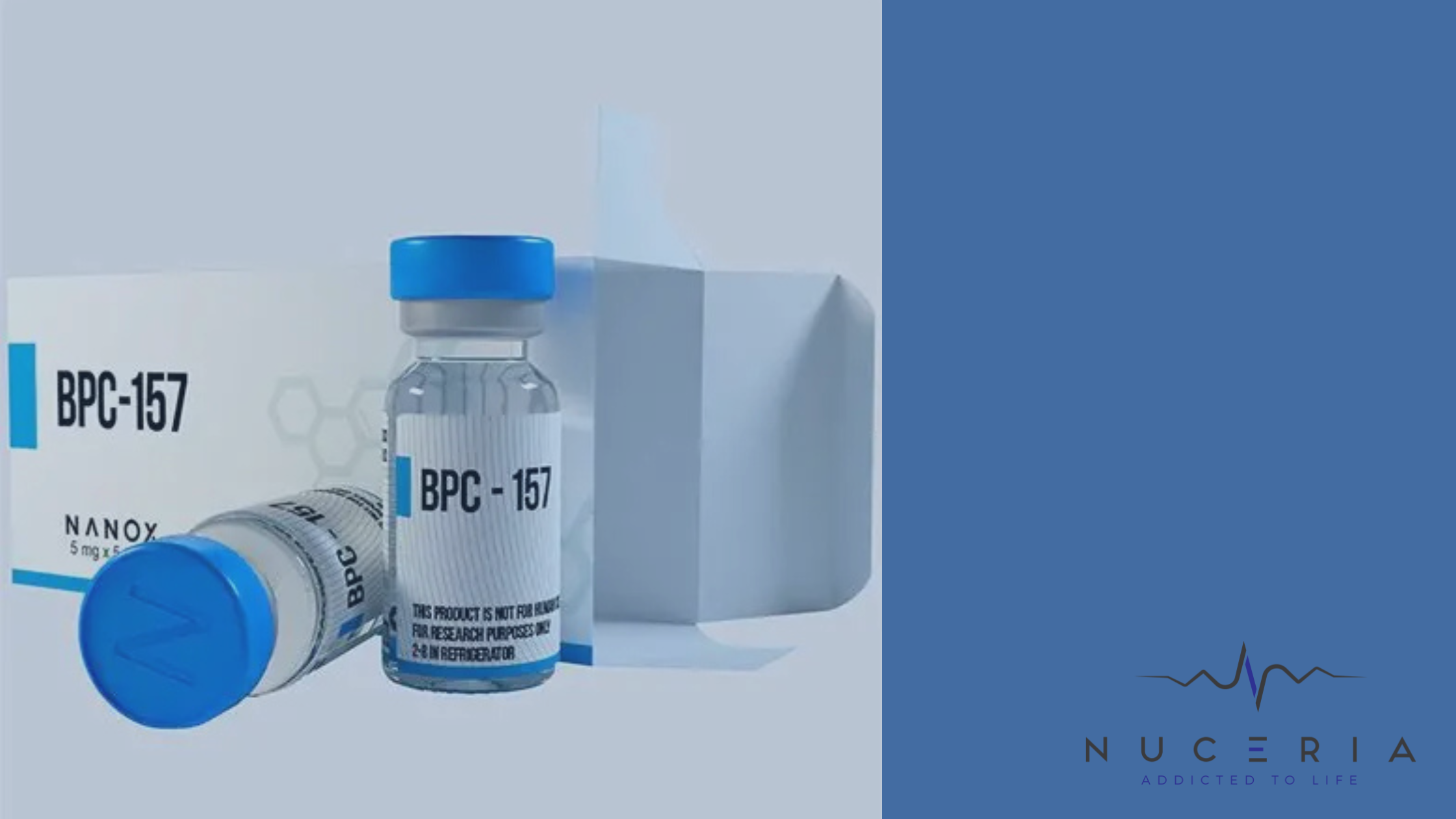
What BPC-157 is (and what it isn’t)
BPC-157 in plain terms
BPC-157 is a synthetic peptide originally studied in preclinical settings for tissue repair and protective effects in models of injury and inflammation. It’s widely marketed as a “healing peptide,” and you’ll often see it discussed in contexts like tendon or gut-related concerns.
Why that matters for weight-loss claims
Most weight-loss interest in BPC-157 stems from downstream theories: improved tissue recovery, reduced inflammation, or effects on the gastrointestinal system. But weight loss is not a single biological switch—it’s a complex outcome involving energy balance, appetite regulation, insulin sensitivity, muscle retention, and activity tolerance. A peptide that may influence healing pathways does not automatically translate into clinically meaningful fat loss.
In my hands-on review work, I’ve found that the biggest mistake people make is equating “plausible mechanism” with “demonstrated outcome.” When I evaluate compounds marketed for body composition, I look for human dose-ranging studies, pharmacokinetic data, and at least one of the following: controlled trials reporting body fat percentage, validated appetite outcomes, or metabolic biomarkers (not just weight on a scale).
Evidence: what we actually know about BPC-157 and weight loss
1) Direct clinical evidence for fat loss is limited
The key question behind does bpc 157 help lose weight is whether there are credible human studies showing reduction in body fat or improvements in energy balance. As of current publicly available research, BPC-157 is far better represented in preclinical literature than in robust human trials for weight-loss endpoints.
In practical terms: if the evidence base is mainly animal or mechanistic, you should treat weight-loss claims as speculative. They may be interesting, but they’re not the same as proven efficacy.
2) Weight loss is often confounded by indirect effects
Some people report “weight loss” while using peptides, but real-world outcomes can be influenced by:
- Activity changes (feeling better, training harder, moving more)
- Diet changes (more attention to macros or calorie intake)
- Water and glycogen shifts (scale weight can move without meaningful fat loss)
- GI effects (if digestion changes, appetite and absorption can shift)
When I’ve reviewed client logs and anecdotal protocols in the past, the pattern is consistent: people often don’t track body fat with consistent methods, so “weight down” can reflect multiple variables—not fat loss.
3) Mechanism: how it could (theoretically) relate to body composition
Here’s the most reasonable way to interpret the mechanistic discussion without overreaching:
- Inflammation and tissue recovery: If recovery improves, training tolerance may increase, indirectly supporting fat loss over time.
- Gastrointestinal pathways: Since BPC-157 has been studied for protective effects in GI-related models, any real human effect on appetite or gut function could theoretically influence energy intake.
- Metabolic signaling: Broad “metabolism” claims are common online, but without strong human data, they remain hypotheses rather than verified pathways.
In short: the mechanism discussion may help explain why some people try BPC-157, but it doesn’t replace high-quality evidence for weight loss.
Safety and risk: what to consider before using BPC-157
1) Human safety data for weight-loss use is not well established
Because BPC-157 is not approved as a weight-loss treatment, the safety profile for that specific goal (dose, frequency, duration, and long-term outcomes) is not clearly established in high-quality human trials.
In my experience, this is the most important safety distinction: a compound can be “promising” for one research direction but still have unknowns for a different application, especially when you’re talking about repeated dosing for cosmetic or performance outcomes.
2) Contamination and quality control are real-world issues
Another practical risk is product quality. Peptide supply chains can vary widely. Even if the peptide is theoretically potent, batch-to-batch purity and accurate labeling are not guaranteed unless a product comes with rigorous third-party testing and transparent documentation.
When evaluating peptide safety, I focus on questions like:
- Is there independent COA (certificate of analysis) for purity and identity?
- Are there tests for contaminants (e.g., endotoxins, heavy metals where applicable)?
- Is storage and reconstitution guidance provided clearly?
- Does the vendor provide batch-specific reporting rather than generic claims?
If you can’t answer these questions with evidence, the safety margin shrinks fast.
3) Side effects and monitoring: what people often underestimate
Potential side effects can include injection-site reactions and systemic tolerability issues—though the exact risk profile for weight-loss dosing regimens isn’t fully mapped in controlled studies. If someone is determined to proceed, I recommend treating it like an intervention that requires monitoring, not a casual supplement.
Practical monitoring I’d consider includes:
- Blood pressure and resting heart rate trends
- GI symptoms and stool changes (since gut effects are part of the discussion)
- Baseline and follow-up metabolic markers when feasible (e.g., glucose/A1c, lipids)
- Clear tracking of body composition methods (not just scale weight)
Can you use BPC-157 as part of a weight-loss strategy?
Here’s the most balanced, evidence-aligned way to approach it: if you’re asking does bpc 157 help lose weight, the honest answer based on available data is that direct clinical proof for fat loss is limited. If you’re still considering it, the best framework is to treat it as an unproven adjunct while your primary levers remain evidence-based.
Evidence-based levers that actually drive fat loss
- Calorie balance: a sustainable deficit is the foundation
- Protein and resistance training: helps preserve lean mass
- Sleep and stress management: affects appetite and adherence
- Step count and activity: increases total daily energy expenditure
How I’d evaluate “real results” if someone tries it
If someone is using BPC-157 and wants to avoid self-deception, I recommend a simple evaluation approach:
- Track body composition with a consistent method (e.g., photos, measurements; ideally DEXA or bioimpedance trends).
- Track intake (even roughly) so weight changes can be interpreted.
- Track adherence to training and daily movement—recovery improvements can increase activity, which drives fat loss.
- Set a time horizon where you expect to see meaningful change (fat loss is not immediate).
In short: if BPC-157 is helping, you should be able to observe consistent, interpretable changes—not just scale fluctuations.
FAQ
Does bpc 157 help lose weight for most people?
There isn’t strong human clinical evidence showing that BPC-157 reliably produces clinically meaningful fat loss. Weight-loss reports online may reflect indirect factors like improved training tolerance, dietary changes, or normal water-weight fluctuations.
Is BPC-157 safe to use for weight loss?
Human safety data for weight-loss use (dose, frequency, and long-term outcomes) is not well established. The main real-world risks include unknown tolerability for that goal and potential product-quality issues without rigorous third-party testing.
What should I track if I’m considering BPC-157 for body composition?
Track body composition (measurements and consistent photos; ideally a more objective method), training/activity levels, and basic health indicators (especially GI symptoms). Also consider metabolic labs if you have access, so any changes aren’t purely guesswork.
Conclusion: evidence-first next step
When you ask does bpc 157 help lose weight, the evidence picture is clear: BPC-157 is better supported as a research peptide for healing-related pathways than as a proven weight-loss intervention. The safest and most effective approach is to anchor your plan in evidence-based fat-loss fundamentals, and if you experiment with BPC-157, evaluate outcomes with real body-composition tracking—not scale-only impressions.
Practical next step: Start a 4–6 week measurement routine (body measurements + consistent photos + activity tracking) and run your calorie deficit and resistance training baseline first; only then—if you still choose to—evaluate any added variable against interpretable body composition trends.
Discussion